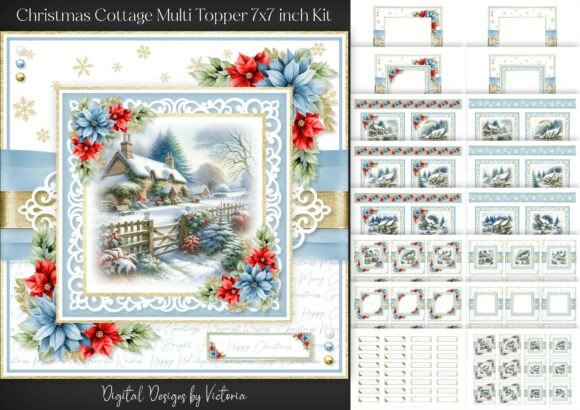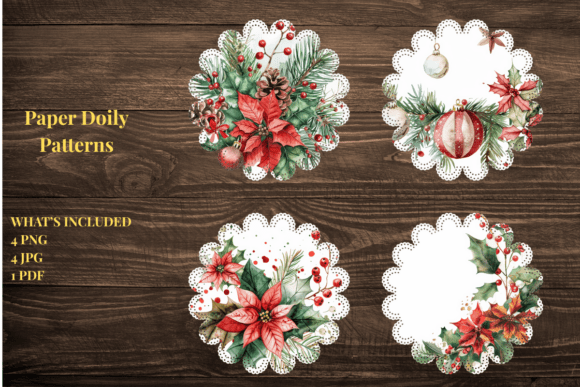
Christmas Paper Doily Patterns for Crafts
As a brand designer who has spent years refining visual identities for lifestyle and retail clients, I approach every graphic design asset with a critical eye. It is not enough for an image to be pretty; it must perform. Recently, I evaluated Christmas Paper Doily Patterns for a seasonal campaign involving a boutique candle maker. The goal was to refresh their holiday marketing visuals without losing the minimalist elegance that defines their brand identity. What I found was a versatile resource that bridges the gap between nostalgic charm and modern professional branding.
First Impressions: Mood and Audience Perception
The immediate impact of these patterns is warmth. In a digital landscape often saturated with cold, corporate minimalism, the intricate lacework of paper doilies evokes a sense of handmade care and tradition. For audiences seeking authenticity, this illustration style creates an emotional connection that sterile vector graphics often miss. However, from a content marketing perspective, the key is restraint. These patterns are not just decorative; they are atmospheric. They signal to the viewer that the brand values detail and heritage. This makes them ideal for businesses in the Crafts sector, artisanal food producers, or lifestyle coaches who want to project a welcoming, home-centric vibe during the holidays.
Integrating Patterns into Real Marketing Workflows
In our test case, we used the Christmas Paper Doily Patterns across multiple touchpoints. The versatility of this design bundle became apparent when we adapted it for different formats. For social media graphics, specifically Instagram posts and Pinterest pins, the delicate lines provided a subtle texture that increased engagement without overwhelming the product photography. When used as a background for digital ads, the white-on-white or soft pastel variations allowed the primary call-to-action to remain clear while adding visual interest.
We also applied these assets to packaging design. A simple sticker featuring a doily pattern transformed standard kraft boxes into premium gift-ready items. This is where small business branding shines; low-cost additions that elevate perceived value. For email banners and website headers, the patterns served as effective dividers, guiding the eye through the content and improving visual hierarchy. Whether you are creating a Canva template for clients or designing your own printable design lead magnets, these elements offer a cohesive look that strengthens audience trust.
Strategic Applications for Brand Growth
To maximize the ROI of this creative design resource, consider where it adds the most value. It excels in hero graphics for holiday landing pages, where it can frame product launches with a festive yet sophisticated border. It is equally effective in editorial design for blog posts about holiday traditions or DIY projects. By using a consistent SVG design or high-resolution PNG design across these platforms, you create a recognizable visual language. This consistency is crucial for logo design adjacencies, such as social media profile frames or story highlights, ensuring that every interaction feels part of a unified marketing visuals strategy.
Furthermore, these patterns support commercial design efforts by providing a quick way to customize generic templates. If you are a product creator selling digital product kits, incorporating these doilies can differentiate your offerings in the creative marketplace. They add a layer of complexity that suggests high effort and quality, even if the implementation is straightforward.
Navigating Limitations and Design Risks
While powerful, Christmas Paper Doily Patterns are not a universal solution. As a designer, I advise caution when applying them to formal corporate branding or dense information layouts. The intricate details can become visual noise if the background is too busy or if the contrast is low. In web design, avoid using these patterns behind small text, as readability will suffer. They are also less suitable for overly minimal brands that rely on stark negative space, unless used very sparingly as a tiny accent.
For mobile-first designs, test the scale carefully. What looks elegant on a desktop monitor may appear cluttered on a smartphone screen. Always preview your social media graphics on actual devices to ensure the delicate lines do not disappear or merge into a gray blob. Additionally, avoid using these patterns in text-heavy ads where the main message needs instant comprehension. The asset should support the message, not compete with it.
Practical Designer Notes for Implementation
Before launching any campaign using these assets, follow these technical checks. First, test the patterns against your specific brand color palette. While traditional reds and greens work, modern brands might prefer muted sage, charcoal, or gold. Ensure the clipart blends seamlessly with your chosen tones. Second, check black and white usage. A monochrome version can be striking for product label designs but may lack the festive warmth needed for holiday promotions.
Third, pair the patterns with appropriate typography. Serif fonts complement the traditional feel of doilies, while clean sans serif fonts create a contemporary contrast. Script fonts can enhance the handmade aesthetic, but ensure they remain legible. Avoid overly decorative display fonts that might clash with the intricate lines of the illustration. Finally, always confirm the commercial license terms. If you are using these for client work or paid campaigns, ensure you have the right to use the design assets in commercial design contexts. This protects your business and ensures ethical use of modern design resources.
In conclusion, Christmas Paper Doily Patterns are more than just festive decorations. They are strategic tools for enhancing brand identity and creating memorable marketing visuals. When used with intention and technical precision, they can elevate your holiday content from generic to genuinely engaging.