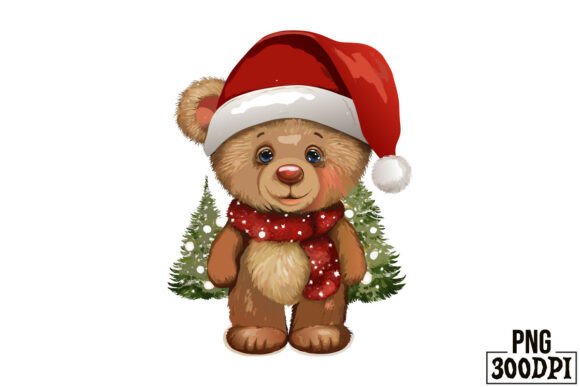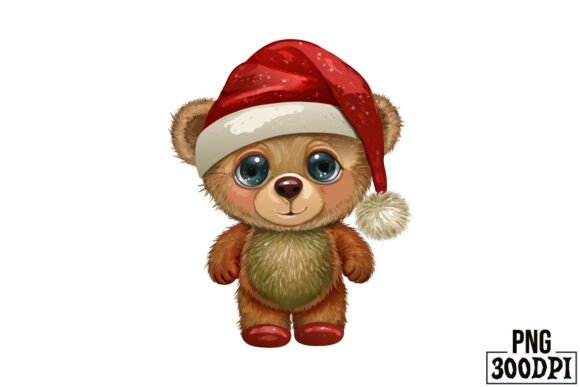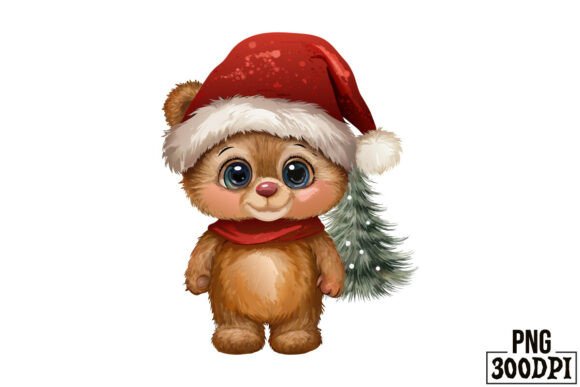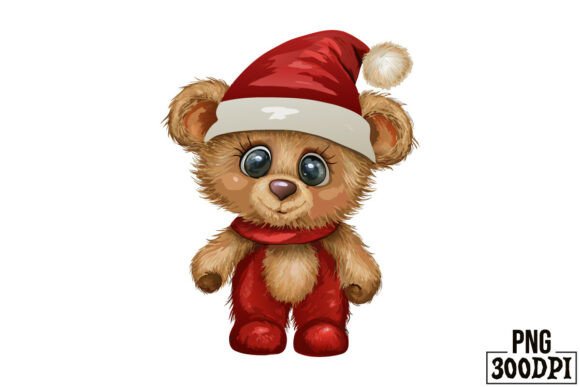
Cute Bear with Christmas Clipart 8: A Designer’s Review
As an embroidery designer who has spent countless hours digitizing and testing files, I approach every new machine embroidery design with a mix of curiosity and skepticism. We have all seen those generic holiday motifs that look charming on a screen but turn into a tangled mess of thread on fabric. That is why I took a close look at Cute Bear with Christmas Clipart 8 before committing it to any client project or personal handmade product. This review is not just about aesthetics; it is about practical application in real-world embroidery projects.
First Impressions and Visual Personality
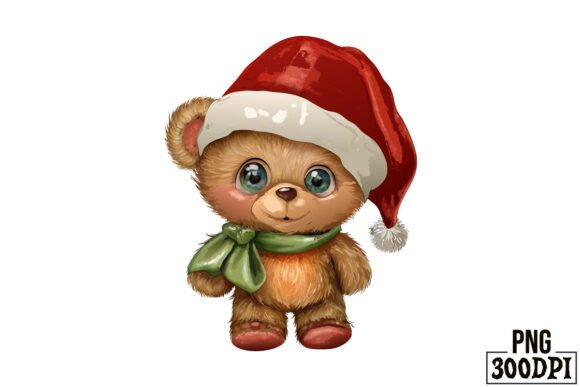
The first thing that strikes you about Cute Bear with Christmas Clipart 8 is its balanced simplicity. In the world of holiday embroidery, it is easy to fall into the trap of over-detailing. Too many tiny elements can cause registration issues, especially on home machines. This design, however, maintains a clean silhouette that suggests warmth and nostalgia without demanding impossible precision from your needle.
The mood it creates is undeniably cozy. It fits perfectly into the Crafts category for those looking to create items that feel personal rather than mass-produced. The layout appears thoughtful, with enough negative space to let the stitches breathe. For an Etsy seller or small shop owner, this visual clarity is crucial. Customers browsing online need to instantly recognize the subject matter, even in a small thumbnail image. This design delivers that immediate recognition, which is vital for click-through rates on digital marketplaces.
Real-World Application: The Tote Bag Test
To truly evaluate a design, you must imagine it stitched out. I visualized Cute Bear with Christmas Clipart 8 on a heavy canvas tote bag design. This is a popular item for holiday gifts and boutique merchandise. On a textured fabric like canvas, designs with moderate stitch density perform best. If the density is too low, the fabric shows through; if it is too high, the bag becomes stiff and prone to puckering.
In this scenario, the bear motif serves as a central focal point. It is large enough to be impactful but not so massive that it dominates the entire bag. I also considered it for a sweatshirt embroidery project. Placed on the left chest or centered on the back, the design offers a playful yet professional look. For custom apparel, the key is how the design interacts with the garment's stretch. A well-digitized file will account for the pull of the knit fabric, ensuring the bear does not distort after the first wash.
Versatility Across Product Lines
Beyond bags and sweatshirts, this clipart style adapts well to various small shop product lines. Consider these applications:
- Baby embroidery: On a soft muslin blanket or onesie, provided the stabilizer is appropriate for delicate skin.
- Embroidered patch: The clear outlines make it suitable for creating iron-on or sew-on patches, which are trending in craft fairs.
- Kitchen towels: A smaller scale version could work beautifully on hemmed tea towels for holiday hosting.
- Nursery decor: Stitched onto a pillow cover, it adds a whimsical touch to a child’s room.
For digital embroidery file sellers, offering this design in multiple hoop sizes increases its value. However, if you are buying it as a finished asset, ensure you check the included formats. Not all machines read every embroidery file type, so compatibility is a pre-purchase checkpoint.
Technical Considerations and Fabric Choices
While Cute Bear with Christmas Clipart 8 is versatile, it is not universal. There are specific scenarios where caution is required. If you are working with thin fabric like silk or lightweight rayon, the stitch count matters immensely. Heavy fill stitches can cause puckering or tear the material. In such cases, using a cut-away stabilizer is non-negotiable, and you might need to adjust the tension on your machine.
Another critical factor is thread colors. This design likely relies on contrast to define the bear’s features against the Christmas elements. When stitching on dark fabrics, you must ensure the thread colors pop. A common mistake is using dark brown thread on navy blue fabric, which results in a muddy, indistinct image. Always test your color palette on scrap fabric first. I recommend running a test stitch-out in black and white to check for definition before committing to colorful threads.
For curved surfaces like caps or hats, the design’s width is a limiting factor. If the bear is too wide, it will wrap around the curve and distort. In these cases, consider resizing the design to fit within a standard cap frame, keeping in mind that reducing size too much may merge small details like eyes or noses into solid blobs of thread.
Enhancing Brand Value and Customer Trust
From a business perspective, the quality of your design assets reflects directly on your brand. Using a clean, well-executed design like Cute Bear with Christmas Clipart 8 signals professionalism. It tells the customer that you care about the finish of your finished product. Sloppy embroidery with loose threads or misaligned layers erodes trust, whereas crisp, clean stitching builds loyalty.
When creating printable mockup images for your online store, this design’s clear lines make it easy to visualize. You can place it on various backgrounds in Photoshop or Canva to show potential buyers how it looks on different items. This versatility helps in marketing personalized gift options, allowing customers to imagine their names or initials added alongside the bear.
Practical Designer Notes for Success
Before you start stitching, keep these practical tips in mind to ensure the best results with Cute Bear with Christmas Clipart 8:
- Check Licensing: Confirm whether the license allows for commercial use. If you are an Etsy seller or run a craft business, you need to know if you can sell items made with this design or if it is for personal use only.
- Test on Scrap: Never stitch a new design directly on your final garment. Use a similar fabric scrap to test tension, density, and color combination.
- Stabilizer Selection: Match the stabilizer to the fabric. Use tear-away for stable woven fabrics and cut-away for stretchy knits like sweatshirts.
- Inspect Small Details: Zoom in on the digital preview. Are there any tiny satin stitches that might break? If so, consider converting them to running stitches or removing them if they are not essential to the design’s integrity.
- Hoop Size Confirmation: Ensure the design fits comfortably within your hoop with enough margin for the clamping mechanism. Do not push the design to the very edge.
In conclusion, Cute Bear with Christmas Clipart 8 is a strong contender for holiday-themed commercial embroidery and personal projects. Its strength lies in its balance of charm and technical feasibility. By understanding its limitations regarding fabric types and hoop sizes, you can leverage this design to create high-quality, appealing products that resonate with customers. Whether you are decorating a pillow cover or launching a new line of custom apparel, this design offers a reliable foundation for creative expression.