Do You Hear What I Hear Christmas Possum T-Shirt Designs
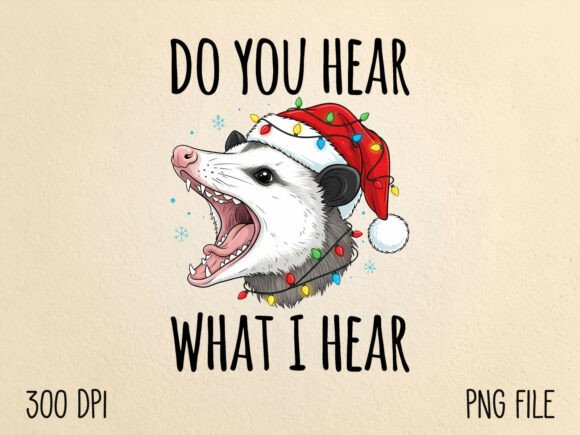
As a digital publisher and blog designer, I am constantly evaluating graphic design assets not just for their aesthetic appeal, but for their utility in real-world content workflows. When I first encountered the Do You Hear What I Hear Christmas Possum concept, my immediate reaction was one of amused curiosity. It is not your typical, polished holiday imagery. Instead, it offers a quirky, unexpected twist on seasonal themes that can cut through the noise of traditional red-and-green marketing.
This review focuses on how this specific visual style, often found in T-Shirt Designs, translates into effective blog graphics and editorial design. For website owners, affiliate marketers, and creative entrepreneurs, understanding the nuance of such an asset is crucial. It is not merely about decoration; it is about establishing a distinct voice in a crowded digital landscape.
Setting the Editorial Mood and Reader Perception
The first thing to consider is the mood. The Do You Hear What I Hear Christmas Possum aesthetic is inherently playful, slightly irreverent, and deeply nostalgic in a modern, internet-culture way. It does not scream "corporate professionalism." Instead, it signals approachability, humor, and a love for the unconventional. This makes it an excellent fit for lifestyle blogs, humor sites, pet-centric content, and personal brands that rely on authenticity rather than sterile perfection.
When used in web design, this type of imagery affects reader trust by humanizing the brand. It suggests that there is a real person behind the screen who appreciates whimsy. However, it must be used with intention. If your niche is serious financial advice or medical information, this asset may create cognitive dissonance. But for content marketing focused on holiday gifts, DIY crafts, or family traditions, it creates an instant emotional connection.
Practical Applications in Publishing Workflows
I tested this asset across several standard publishing channels to see where it performed best. Here is how you can integrate it into your content strategy:
- Pinterest Pins: This is perhaps the strongest use case. The quirky nature of the possum design stops the scroll. When paired with bold typography, it makes for a high-click-through Pinterest pin that stands out against standard holiday decor images.
- Newsletter Headers: Using this graphic in your email marketing breaks the monotony of text-heavy updates. It serves as a visual anchor that sets a lighthearted tone for the rest of the message.
- Social Media Graphics: For Instagram or Facebook, this asset works well as a standalone post or as part of a carousel explaining funny holiday traditions. It encourages shares because it is relatable and humorous.
- Digital Products and Lead Magnets: If you are creating a digital guide on unique gift ideas or a printable holiday checklist, incorporating this design adds value. It transforms a generic PDF into a branded printable design that feels exclusive and fun.
Enhancing Visual Hierarchy and Brand Identity
A key principle in editorial design is visual hierarchy. The Do You Hear What I Hear Christmas Possum image is bold and distinctive. When placed correctly, it draws the eye immediately. This supports better visual hierarchy by guiding the reader’s attention from the headline to the call-to-action. It reinforces your brand identity by consistently using a unique visual motif that competitors are unlikely to have.
For small business branding, consistency is key. If you adopt this playful possum theme, ensure it appears in your website header, your social media graphics, and your Canva template kits. This repetition builds recognition. Readers begin to associate that specific whimsical vibe with your content, increasing the likelihood of return visits.
Where to Use It Carefully
While versatile, this asset is not a universal solution. There are specific contexts where it should be avoided or used with extreme caution:
- Small Mobile Thumbnails: Intricate details in the possum design may get lost on small screens. Ensure the core element is recognizable even at 150 pixels wide.
- Text-Heavy Layouts: Do not place this busy graphic behind large blocks of text. It will compete for attention and reduce readability. Use it as a sidebar accent or a header image instead.
- Low-Contrast Backgrounds: If the design has subtle shading, it will vanish on gray or pastel backgrounds. Always test it against white or dark backgrounds to ensure clarity.
- Corporate or Serious Niches: As mentioned, if your audience expects strict professionalism, this playful design may undermine your authority. Know your audience before deploying it.
Technical Notes for Publishers and Designers
Before publishing, I always run a series of technical checks. First, test the asset on both desktop and mobile devices. Does it load quickly? Is it crisp? Next, preview it inside your actual blog layout. Sometimes a design looks great in isolation but clashes with your site’s existing color palette.
Typography pairing is also critical. Try placing the Do You Hear What I Hear Christmas Possum graphic beside different font styles. A clean sans serif font often balances the whimsy of the image, while a script font can enhance its festive feel. Avoid overly decorative display font styles that might make the overall composition look cluttered.
Finally, always verify the licensing. If you are using this for affiliate marketing or selling digital downloads, confirm you have a commercial license. Many assets from the creative marketplace require specific permissions for monetized use. Compress the image properly to maintain web performance without sacrificing quality. A slow-loading page will hurt your SEO regardless of how charming the possum is.
In conclusion, the Do You Hear What I Hear Christmas Possum is more than just a novelty. It is a strategic design asset that, when used correctly, can elevate your content marketing efforts. It brings personality, improves engagement, and helps your brand stand out in the saturated holiday market. By integrating it thoughtfully into your website header, lead magnet designs, and social campaigns, you create a cohesive and memorable user experience that resonates with readers looking for something fresh and fun.