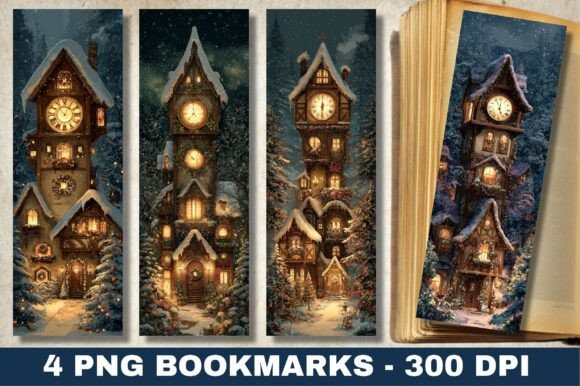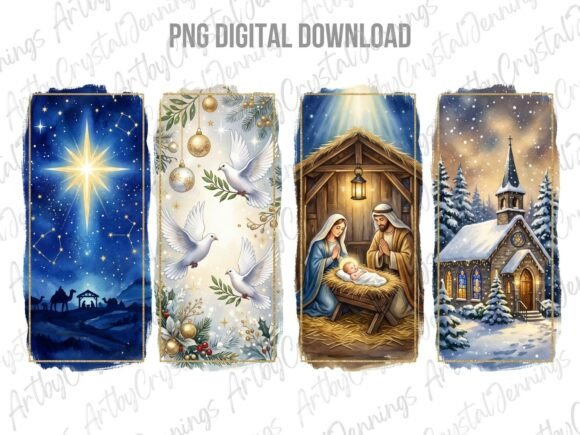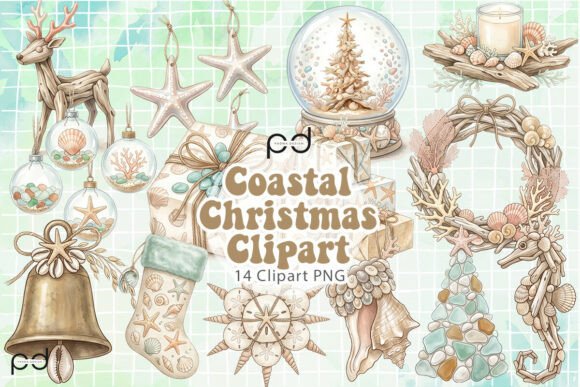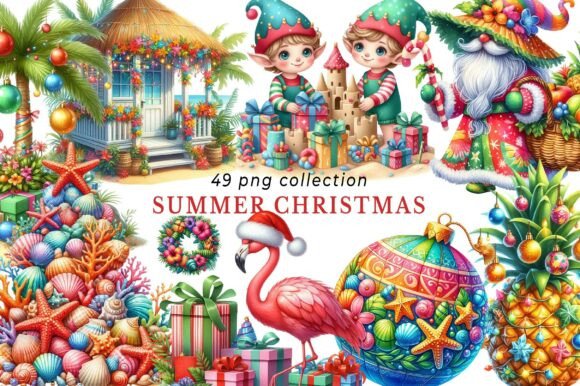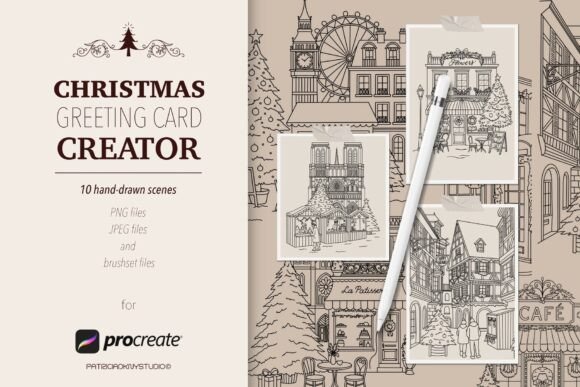
Procreate Christmas Scene Illustrations & Brushes
As a brand designer who has spent the last decade helping local businesses translate their values into visual identities, I approach every new graphic design asset with a critical eye. It is not enough for an illustration to be pretty; it must work hard for the business that uses it. Recently, I evaluated the Procreate Christmas Scene Illustrations collection for a potential client project—a small, artisanal bakery looking to refresh its holiday packaging. The goal was to determine if these assets could elevate their small business branding from generic to memorable.
First Impressions: Mood and Brand Personality
Upon opening the files, the immediate impression is one of warmth and nostalgic charm. The illustrations do not scream for attention with neon brightness; instead, they whisper with a hand-drawn elegance that suggests quality and care. This mood is crucial for brands that want to position themselves as friendly, organic, and premium without appearing cold or overly corporate. For a local business like a boutique candle maker or a handmade soap seller, this aesthetic bridges the gap between professional polish and approachable humanity.
The style leans heavily into the rustic and decorative, making it an ideal fit for businesses that rely on storytelling. If your brand personality is bold, modern, or minimalist, these illustrations might feel too busy. However, for brands that thrive on emotional connection—such as florists, children’s product brands, or cozy coffee shops—the soft lines and festive motifs create an instant sense of comfort. It feels less like a digital download and more like a piece of traditional art, which is a rare find in today’s saturated creative marketplace.
Practical Applications in Local Business Design
The true test of any design asset is its versatility. I immediately began imagining how these scenes could be integrated into various touchpoints for my bakery client. The most obvious application is packaging design. Placing a detailed Christmas scene on a cookie box or a pastry sleeve transforms a simple transaction into a gift-giving experience. The illustrations serve as hero graphics, drawing the eye before the customer even reads the flavor description.
Beyond primary packaging, these assets shine in secondary brand materials. Consider hang tags for retail items, thank-you cards included in online orders, or custom stickers sealing tissue paper. Each of these small interactions builds brand identity and trust. For service-based local businesses, such as salons or studios, these illustrations can enhance menu graphics, price lists, and seasonal flyers, adding a layer of professionalism that standard clipart simply cannot match.
Social media managers will also find immense value here. In a feed cluttered with stock photography, a unique, cohesive set of illustrations helps establish a recognizable visual language. Whether used as backgrounds for promotional ads, accents in website banners, or elements in product mockups, these scenes ensure that marketing visuals remain consistent and on-brand throughout the holiday rush.
Elevating Business Presentation and Shelf Appeal
Why does this matter for sales? Because visual hierarchy drives decision-making. When a customer scans a shelf in a local market, their brain processes images faster than text. A well-placed illustration creates a focal point, guiding the eye to the product name and key details. This stronger first impression leads to better product recognition and, ultimately, higher conversion rates.
Furthermore, consistent use of high-quality illustrations signals to the customer that the business cares about details. This perception of care translates into perceived value. A product label adorned with thoughtful artwork suggests that the contents are equally crafted with precision. For handmade business owners, this alignment between packaging and product quality is essential for justifying premium pricing and building long-term customer loyalty.
Strategic Placement and Cautionary Notes
While these illustrations are powerful, they are not a universal solution. They work best as accents or central features in designs with ample white space. I would caution against using them in formal corporate branding where clarity and neutrality are paramount. Similarly, they should be used carefully on very small labels where intricate details might become muddy when printed at scale.
Avoid placing these decorative elements behind dense blocks of text, such as ingredient lists or legal information. The complexity of the scene can compete with readability, violating basic principles of visual hierarchy. For luxury minimalist brands, the ornate nature of these scenes might clash with a clean, sparse aesthetic. Always ensure that the decoration supports the message rather than overwhelming it.
Designer Notes for Implementation
Before committing to a full rollout, I recommend several practical tests. First, print the illustrations on the actual material you plan to use. Screen colors often differ from print outputs, especially with rich, festive palettes. Check the PNG design transparency to ensure clean edges when overlaying the art on colored backgrounds. If vector files are available, inspect the SVG design paths for editability, allowing you to tweak colors to match your specific brand palette.
Typography pairing is another critical consideration. These illustrations pair beautifully with serif fonts for a classic look, script fonts for a personal touch, or clean sans serif fonts for modern contrast. Test each combination to see which best reflects your brand voice. Finally, always verify the commercial license terms. Ensure that the asset allows for use in physical product sales and client work to avoid legal complications down the line.
In conclusion, the Procreate Christmas Scene Illustrations offer a robust toolkit for enhancing professional branding during the holiday season. When used strategically, they transform ordinary packaging into memorable brand experiences, helping local businesses stand out in a crowded market. By focusing on mood, versatility, and technical precision, designers can leverage these assets to create visuals that not only look beautiful but also drive business results.