Reviewing Christmas Background for Holiday Embroidery
As a designer who has spent countless hours digitizing and stitching out seasonal motifs, I approach every new machine embroidery design with a mix of curiosity and caution. The holiday season is the busiest time for craft businesses, and the difference between a bestseller and a return often comes down to stitch quality and visual clarity. Recently, I evaluated Christmas Background for Holiday to see if it holds up under the scrutiny of real-world production. This isn’t just about whether it looks pretty on a screen; it’s about how it behaves on fabric, how it impacts your workflow, and whether it adds genuine value to your handmade product lineup.
First Impressions and Visual Mood
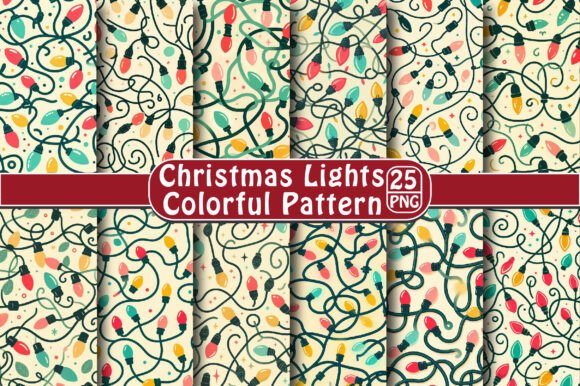
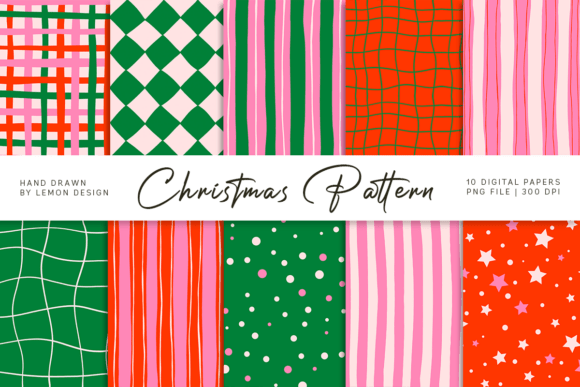
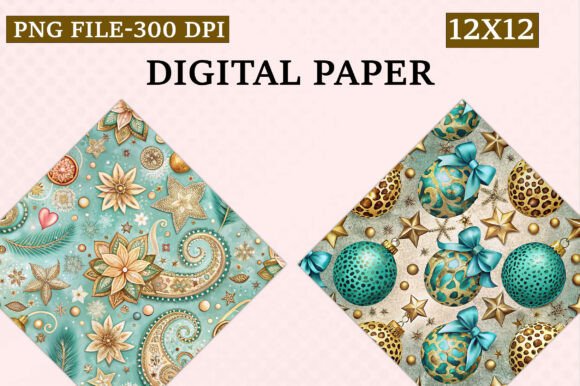
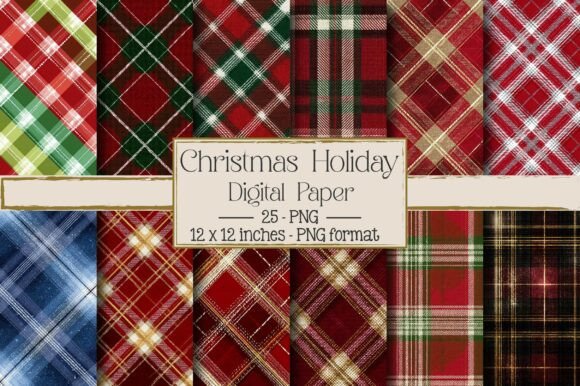
When I first loaded the embroidery file into my software, the layout of Christmas Background for Holiday struck me as versatile. It doesn’t scream for attention with chaotic details but rather sets a subtle, festive tone. The mood is warm and inviting, which is exactly what customers look for in holiday embroidery. The shape and theme suggest a classic aesthetic that avoids trending gimmicks, meaning it won’t look dated next year. For those of us selling design assets or finished goods, longevity is key. The visual personality feels balanced, offering enough detail to be interesting without becoming a nightmare to stitch out on textured materials.
The detail level is moderate, which is a blessing for production speed. Overly complex backgrounds can cause thread breaks and registration issues, especially when running multiple units for an Etsy seller or small shop owner. This design seems to respect the limitations of home embroidery machines while still delivering a professional finish. It naturally belongs on items that benefit from a full-coverage or accent background, such as tote bags, pillow covers, or the back panel of a sweatshirt.
Real-World Application: The Tote Bag Test
To truly understand the utility of Christmas Background for Holiday, I imagined a specific client project: a custom embroidered tote bag for a local boutique’s holiday gift wrap service. The goal was to create a reusable bag that felt premium but not overly formal. Using this design as a central element or a subtle backdrop for personalized names worked beautifully in theory. The tote bag design market is saturated, so having a unique background pattern can differentiate your small shop product from generic store-bought options.
In this scenario, the design’s performance depends heavily on fabric choice. Canvas tote bags have a distinct weave that can interfere with fine details. I found that Christmas Background for Holiday has enough structural integrity to stand out against the texture of canvas, provided you use the right stabilizer. If you are planning to use this for custom apparel like a heavy cotton sweatshirt, the sweatshirt embroidery will look plush and high-end. The fill areas should cover well without sinking into the nap of the fleece, assuming you use a cut-away stabilizer for durability.
Navigating Fabric and Hoop Constraints
While the design is robust, there are areas where you must proceed with caution. Not every embroidery project is suitable for every fabric type. If you are working with thin or stretchy fabrics, such as jersey knits for baby embroidery items, you need to be mindful of stitch density. A dense background can cause puckering if the fabric isn’t properly stabilized. I recommend testing the design on scrap fabric first, ideally using the same material you plan to sell. This step is non-negotiable for maintaining customer trust and professionalism.
Curved surfaces present another challenge. If you intend to use this on caps or hats, the hoop size and the curvature of the brim can distort the image. Christmas Background for Holiday might need resizing or re-digitizing adjustments to sit flat on a curved cap surface. Additionally, dark fabrics require careful consideration of thread colors. If the design relies on subtle shading, it may get lost on black navy or charcoal garments. In such cases, using a lighter underlay or choosing high-contrast thread palettes is essential for stitching clarity.
Commercial Viability and Brand Consistency
For commercial embroidery professionals and craft business owners, the value of a design lies in its ability to enhance brand consistency. Christmas Background for Holiday offers a cohesive look that can be adapted across various products, from kitchen towels to nursery decor. This versatility allows you to create a coordinated holiday collection, which increases average order value. When customers see a matching set of personalized gift items, they perceive higher value and are more likely to purchase.
However, before listing any finished product or digital embroidery file for sale, you must verify the licensing terms. Just because a design is available in the Patterns category does not automatically grant commercial rights. Always check whether the license allows for selling physical items or if it restricts you to personal use. This due diligence protects your business from legal issues and ensures you are respecting the creator’s work. If you are creating printable mockup previews for your online store, ensure the digital representation matches the stitched reality to avoid customer disappointment.
Practical Designer Notes for Best Results
To get the most out of Christmas Background for Holiday, consider these practical tips during your production process:
- Test on Scrap Fabric: Always stitch a sample on the exact fabric type and weight you intend to use. This reveals any tension issues or density problems.
- Check Thread Contrast: Use a color chart to select threads that pop against your fabric. For dark fabrics, consider using metallic or bright variegated threads to highlight the design’s features.
- Review Stitch Density: If the design feels too stiff after stitching, consider reducing the density in your editing software or using a lighter weight stabilizer.
- Confirm Hoop Size: Ensure your machine’s hoop can accommodate the design dimensions without needing to re-hoop, which can lead to alignment errors.
- Inspect Small Details: Zoom in on the design preview to check for tiny elements that might not stitch out cleanly. Remove or simplify any elements that are smaller than your needle’s capability.
- Mockup in Black and White: Convert your design preview to grayscale to check for value contrast. This helps ensure the design is visible even if color perception varies.
In conclusion, Christmas Background for Holiday is a solid addition to your library if used with intention. It performs well on sturdy fabrics like canvas and fleece, making it ideal for embroidered patch projects, aprons, and pillow covers. By paying attention to stabilizer choice and thread selection, you can elevate this design from a simple pattern to a standout feature in your holiday collection. Remember, the goal is not just to stitch a design, but to create a finished product that delights the recipient and reflects your skill as a maker.