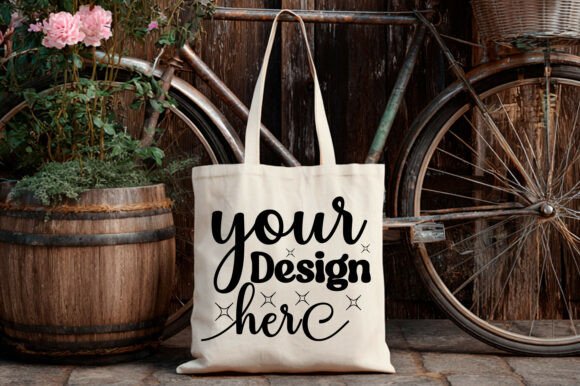
Reviewing the Christmas Tote Bag Mockup 1
As a designer who has spent countless hours digitizing patterns and testing machine embroidery design files on everything from stiff canvas to delicate silk, I approach every new asset with a critical eye. We often get caught up in the digital perfection of a screen, forgetting that thread behaves differently than pixels. When I first loaded the Christmas Tote Bag Mockup 1 into my workflow, I wasn’t just looking at a pretty picture; I was evaluating its potential for real-world application. For those of us running a craft business or selling on platforms as an Etsy seller, the gap between a digital preview and a finished product is where profits are made or lost.
First Impressions and Visual Mood
The immediate impression of this mockup is one of cozy, festive warmth. It captures that specific holiday nostalgia that customers crave during the winter season. The layout feels balanced, avoiding the cluttered look that plagues so many seasonal designs. For an embroidery project, this visual clarity is crucial. If a design looks busy on screen, it will likely become a tangled mess of thread on fabric. This asset suggests a clean, modern aesthetic that pairs well with both traditional reds and greens and contemporary neutrals like cream or slate gray.
What stands out is how the mockup presents the texture of the tote bag material. It gives a realistic sense of how a tote bag design might sit on canvas or cotton. This is vital for visualizing stitch placement. A design that looks centered on a flat digital image might appear off-center once the bag is filled with groceries or gifts. This mockup helps bridge that gap, allowing designers to anticipate how the embroidery file will interact with the three-dimensional form of the bag.
Real-World Application Scenarios
Let’s move beyond theory and discuss practical use. Imagine you are preparing a batch of custom orders for a local boutique. You need a personalized gift option that sells quickly. Using this mockup, you can visualize a simple monogram paired with a small festive motif. Because the mockup provides a realistic backdrop, you can better judge the scale of your satin stitch elements against the weave of the fabric.
This asset is not limited to bags. I often use high-quality Product Mockups to pitch ideas to clients before I even touch my embroidery machine. If a client wants sweatshirt embroidery for a family reunion, placing your digitized design onto this realistic background helps them understand the final look. It builds trust. When a customer sees a professional presentation, they perceive higher value in your handmade product. Whether you are creating an embroidered patch for a holiday club or designing a full-front applique design for a toddler’s outfit, the ability to preview the result accurately saves time and reduces revision rounds.
Versatility Across Product Lines
- Holiday Embroidery: Perfect for visualizing seasonal motifs on kitchen towels and aprons.
- Baby Embroidery: Helps gauge the softness and scale of designs on onesies or blankets.
- Custom Apparel: Essential for showing clients how logos or names will look on caps and hats.
- Small Shop Product: Ideal for creating cohesive social media content for your online store.
Technical Considerations for Stitching
While the visual appeal is strong, we must address the technical realities of stitching. A mockup is a guide, not a guarantee. When translating the vibe of this mockup into actual thread, consider your stitch density. Tote bags are often made of durable canvas, which can handle heavier fill stitch areas, but if you are adapting the design for a thinner fabric like a tea towel, you must reduce density to prevent puckering.
Pay close attention to the hoop size required for your design. If the mockup suggests a large, sprawling design, ensure your machine can accommodate it. For curved surfaces like caps, the perspective in the mockup might differ from reality. Always test on scrap fabric first. Check your thread colors against the actual material. A color that pops on a bright white digital background might disappear on a natural beige linen. Use proper stabilizer to support the fabric texture, especially if you are using dense satin stitches or complex running stitch outlines.
Navigating Fabric Challenges
Not all fabrics behave the same. If you are working with stretchy fabric for custom apparel, the design needs to be digitized with pull compensation in mind. Dark fabrics require careful planning for underlay stitches to ensure the top threads stand out. If you are creating a digital embroidery file for sale, include notes about recommended fabric types. This transparency enhances your professionalism and reduces customer complaints.
Enhancing Brand Consistency and Trust
In the world of online sales, presentation is everything. Using a consistent style of mockups, such as the Christmas Tote Bag Mockup 1, helps build brand recognition. When customers scroll through your shop, a cohesive visual language signals reliability. It shows that you care about the details, from the initial click to the unboxing experience. This attention to detail translates into buyer engagement and higher conversion rates.
Furthermore, these design assets are invaluable for marketing. Instead of waiting for physical samples to be stitched and photographed, you can create promotional materials instantly. This speed allows you to react to trends faster. If a particular holiday theme spikes in popularity, you can have listings ready to go. Just remember to verify licensing. Ensure that the mockup license allows for commercial use in your marketing materials, and confirm that your embroidery designs are original or properly licensed for resale.
Final Designer Notes
Before you commit to a large production run, take these practical steps:
- Test on Scrap: Always stitch a sample on the exact fabric type you plan to use.
- Check Contrast: View your design in black and white to ensure shape clarity without color reliance.
- Verify Details: Zoom in on tiny lettering or intricate corners to ensure they are stitchable.
- Confirm Licensing: Double-check terms for both the mockup and the embroidery file.
- Compare Backgrounds: Test how your design looks on both light and dark fabric simulations.
The Christmas Tote Bag Mockup 1 is more than just a pretty image; it is a tool for better design decision-making. By integrating it into your workflow, you can elevate your commercial embroidery projects, reduce waste, and present your small shop product line with the professionalism it deserves. Whether you are a hobbyist making gifts or a seasoned pro managing a boutique, realistic visualization is the key to bridging the gap between imagination and execution.